
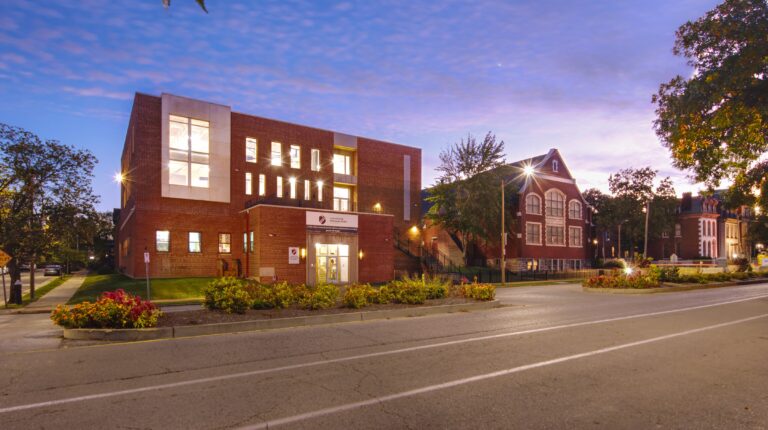
Lafayette Preparatory Academy needed more than a building. As a growing charter school in St. Louis, they needed a long-term campus strategy—one that could support enrollment growth, respect financial realities, navigate historic district requirements, and earn community support.
That required more than design. It required development, design, and construction working together from day one.
Client: Lafayette Preparatory Academy
Location: St. Louis, Missouri
Project Type: Adaptive Reuse + New Construction / K–8 Charter School Campus
Services: Development, Architecture & Design, Preconstruction, Construction
Delivery Model: Integrated Development-Design-Construction
Project Timeline: Multi-phase, 10+ year partnership
The Challenge:
- A school growing in real time.
Lafayette Prep was expanding one grade level at a time, moving intentionally from elementary programming toward a full K–8 model.
That created a difficult planning question: “How do you build for future growth without financially overcommitting too early?” A traditional “build it all now” approach would have created financial strain before enrollment could support it.
- A Tight Urban Site with Historic Constraints
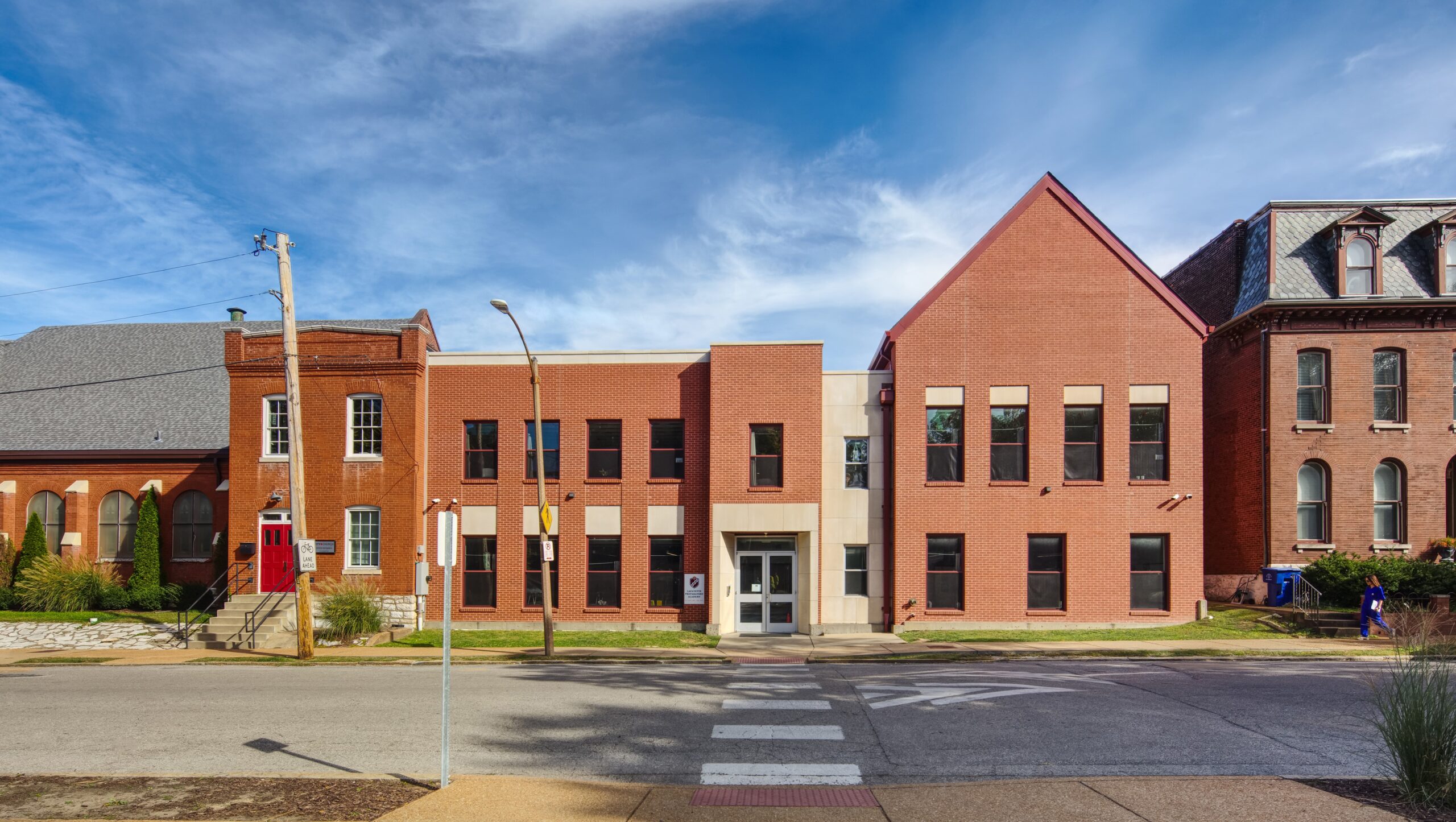
The available campus sat in the Lafayette Square neighborhood—one of St. Louis’ most historic and architecturally protected districts.
The opportunity included aging former church education buildings, but expansion would require threading together:
- adaptive reuse
- new construction
- historic preservation requirements
- limited land
- ongoing school operations
This wasn’t a greenfield campus. Every square foot had to work harder.
- Multiple Stakeholders, Different Priorities
The school wasn’t the only decision-maker. The project required alignment between:
- school leadership + board
- neighborhood stakeholders
- preservation advocates
- city review authorities
- funding/incentive partners
Each group cared about something different:
- affordability
- educational functionality
- neighborhood fit
- historic compatibility
- long-term viability
Without intentional engagement, the process could have stalled quickly.
The Solution:
- An Integrated Strategy from Day One
Rather than treating development, design, and construction as separate phases, Bush approached Lafayette Prep as a fully integrated process.
Three core questions guided the work:
- How big should it be?
- How much can it cost?
- When do they actually need it?
Those questions were revisited continuously as enrollment, funding capacity, and planning evolved.
- Structuring Growth Around Financial Reality
One of the most important strategic moves was separating the school’s long-term vision from its immediate financial capacity.
Bush acquired and structured the property on Lafayette Prep’s behalf, allowing the school to establish a permanent home without taking on unsustainable upfront ownership risk.
Lease structures were intentionally aligned with projected enrollment and operating revenue. That meant the facility could grow alongside the school—not ahead of it.
Historic Tax Credits helped reduce initial project costs, making early occupancy financially realistic. Later, New Market Tax Credits supported the second phase of expansion.
This phased financial strategy created breathing room while preserving the long-term vision.
- Designing a Campus That Could Evolve
The design team’s role wasn’t simply to fit a school onto the site. It was to create a campus framework that could adapt over time.
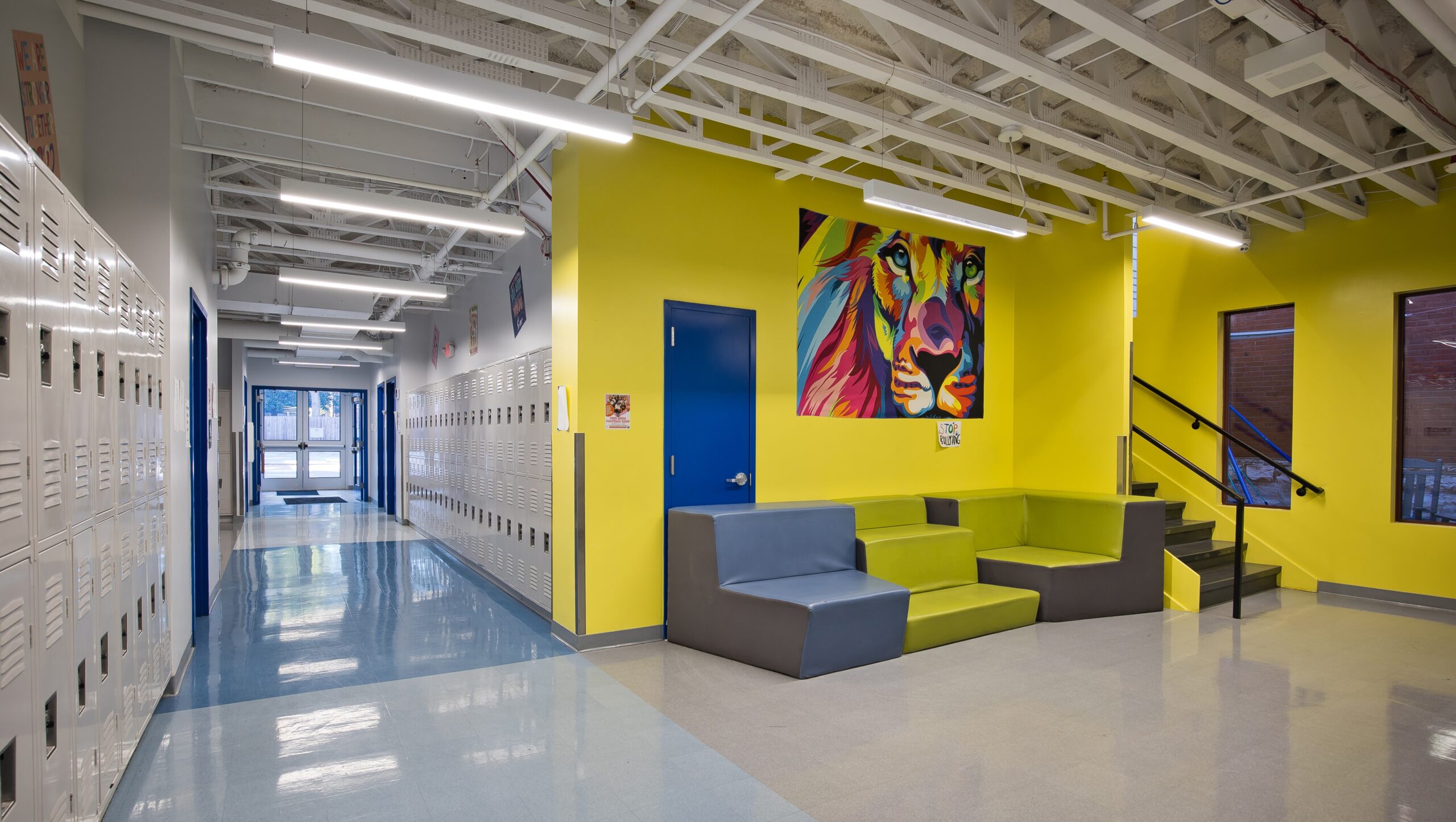
Phase 1 focused on immediate needs:
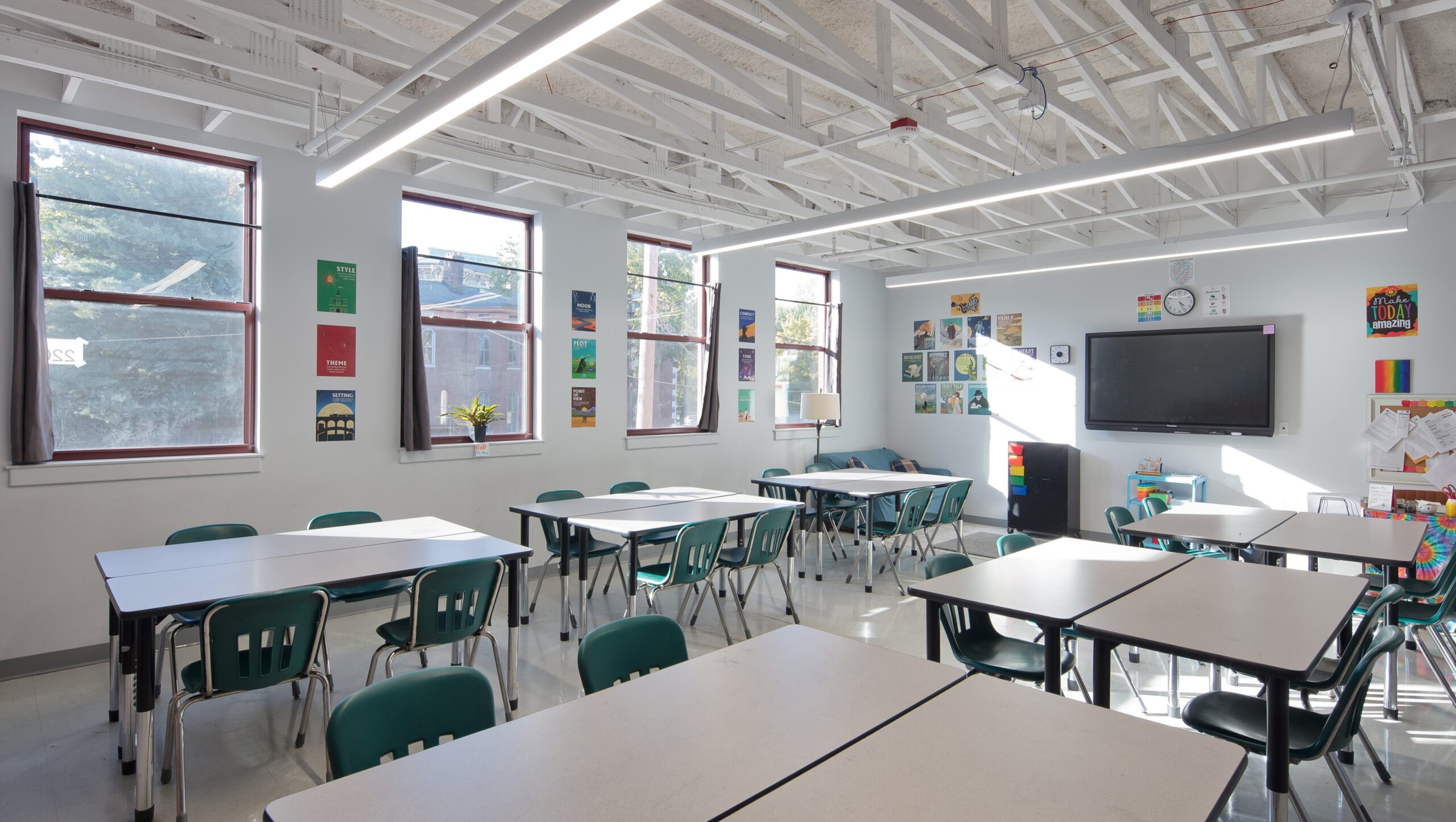
- classrooms
- library/media space
- multipurpose/cafeteria functions
- administrative support space
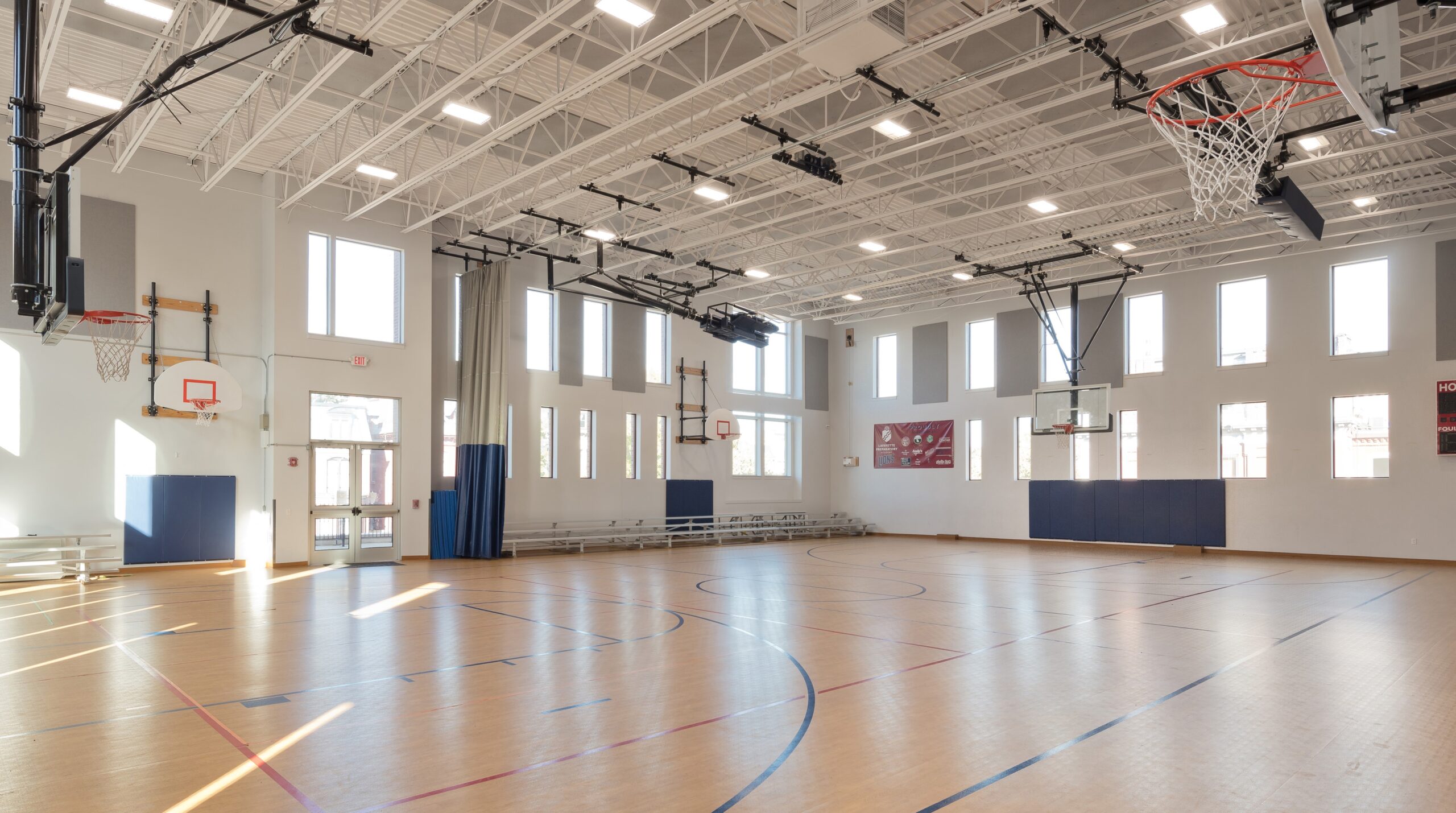
Phase 2 delivered expansion exactly when needed:
- middle school classrooms
- gymnasium
- added capacity for upper-grade growth
Importantly, the design anticipated future phases from the beginning—avoiding expensive rework or short-term compromises.
- Navigating Historic Context as an Asset
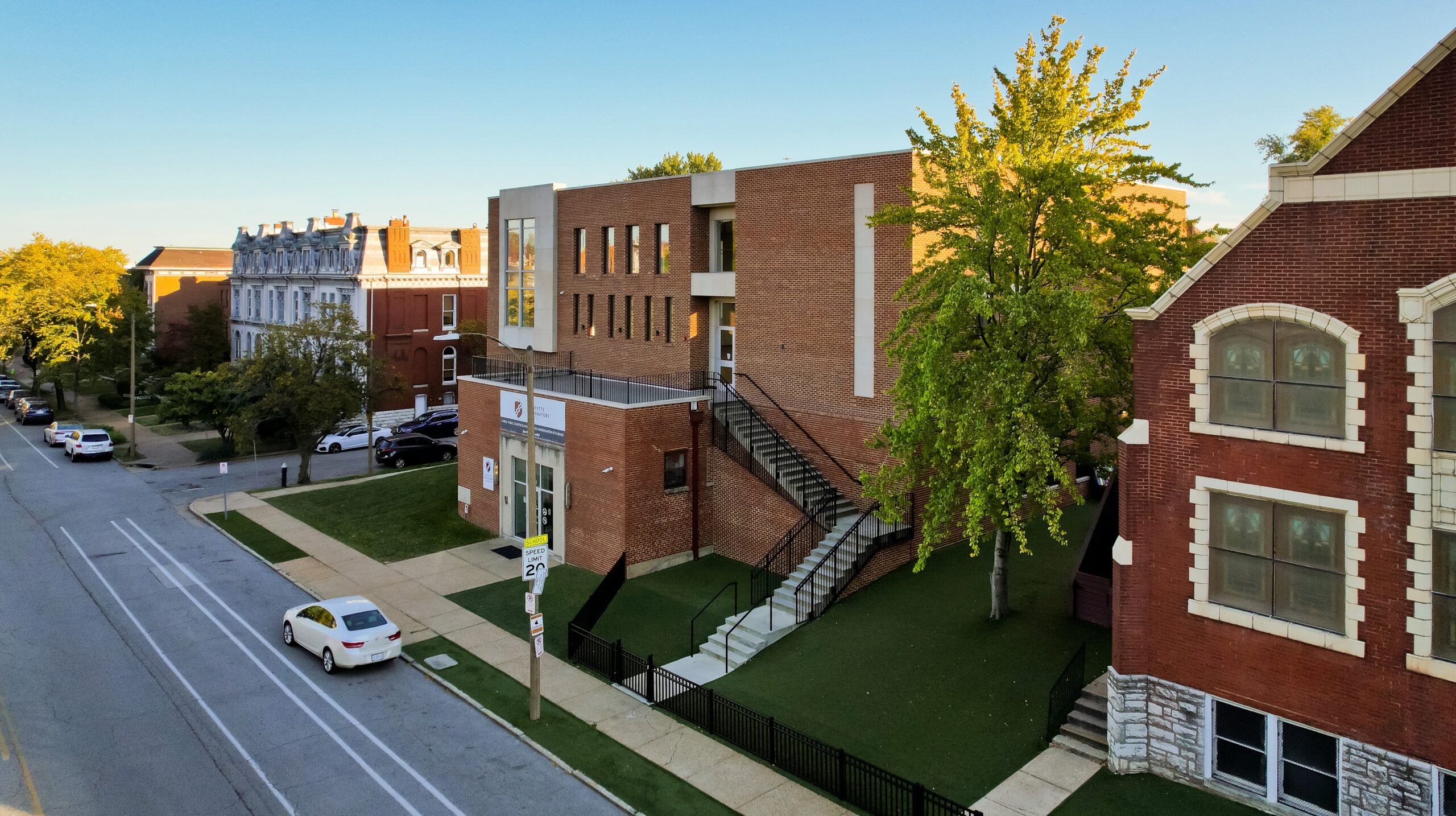
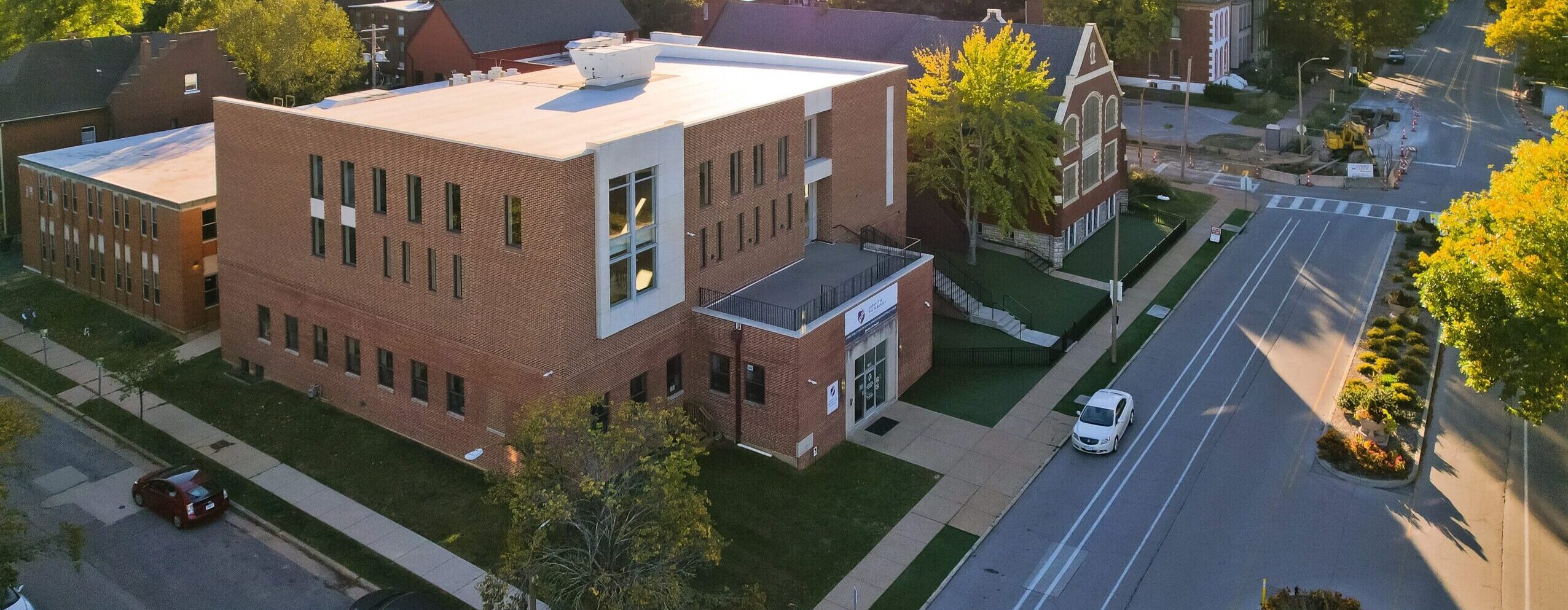
Historic district requirements could have been treated as an obstacle. Instead, they became part of the design strategy.
The team worked closely with preservation authorities to ensure:
- appropriate scale and massing
- compatible materials
- contextual architecture
- design continuity with surrounding structures
The result was new construction that respected the neighborhood rather than competing with it.
The Outcome:
Lafayette Prep gained more than a campus. They gained a growth platform.
Outcomes included:
- Permanent campus established without overbuilding too early
The school secured a long-term home while keeping early financial obligations aligned with reality. - Phased expansion timed to actual enrollment growth
Space was added when needed—not years too soon. - Historic assets preserved and repositioned for modern education
Existing structures were transformed into active learning environments rather than abandoned liabilities. - New facilities integrated seamlessly into a historic neighborhood
Community concerns were addressed through thoughtful planning and design. - Campus expansion completed while school operations continued
Growth happened without disrupting the educational mission. - Path to ownership achieved
After a long-term partnership, Lafayette Prep ultimately acquired the property.
What made this project successful wasn’t just the buildings—it was the long-term strategy behind them and a shared commitment to thoughtful growth. Over a 10+ year partnership, Lafayette Prep was able to grow intentionally, establish a permanent home, and create a campus that supports its mission. We’re grateful for the opportunity to partner with their team on that journey. Today, Lafayette Prep is recognized as one of St. Louis’ top-performing public schools, ranking #1 in Reading, Science, and Math among St. Louis City public schools according to the 2024 MAP assessment.